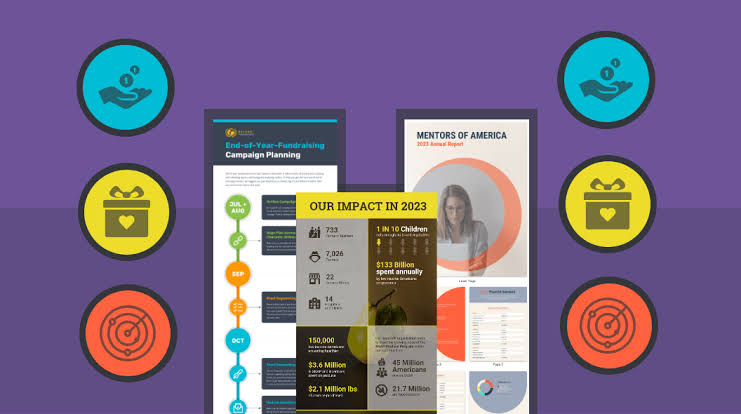
Learn how to design effective fundraising and awareness campaigns for non-profit organizations. Discover strategies for understanding objectives, identifying target audiences, crafting compelling messages, and leveraging digital channels. Enhance engagement, drive support, and maximize impact with well-designed campaigns that resonate with your audience and achieve your mission.
When it comes to designing campaigns for organizations it's all about crafting messages that convey their purpose, connect with supporters and boost fundraising initiatives. Non profits usually work on budgets and must maximize the impact of each campaign. This piece delves into approaches and recommended methods for creating impactful fundraising and outreach campaigns tailored to non profit groups.
Understanding Non-Profit Objectives
Non-profit groups usually have two main goals; gathering money and spreading awareness. Efforts to raise funds are geared towards securing backing for their projects and endeavors while initiatives aimed at raising awareness seek to inform the public about their mission and rally support. Recognizing these objectives is essential for crafting campaigns that align with the organizations aims and connect with their audience.
Identifying the Target Audience
An effective campaign starts with knowing the audience. Nonprofits need to identify and categorize their audience to customize their messaging. Important audience groups might include.
- Donors. People who have previously contributed or expressed interest in financially supporting the organization.
- Volunteers. Individuals willing to offer their time and skills to advance the cause.
- Advocates. Those passionate about the cause who can help raise awareness through their networks.
- Beneficiaries. The individuals or communities directly affected by the nonprofits efforts.
By understanding the needs, motivations and preferences of these groups nonprofits can create campaigns that resonate with each segment and encourage their involvement.
Crafting a Compelling Message
The message is the heart of any campaign and needs to be tailored to resonate with the intended audience. For non profit groups the message should be:
- Emotionally Impactful: Utilize storytelling to showcase the organizations work. Share compelling narratives about individuals or communities that have benefited from the non profits initiatives. Emotional stories can forge a connection and motivate action.
- Clear and Concise: Ensure that the message is straightforward and easy to grasp. Steer clear of jargon and focus on the points that will encourage the audience to take action.
- Action Driven: Clearly outline how the audience can support the cause whether it's through donations, volunteering or spreading awareness. Provide instructions and make the call to action prominent.
Designing Effective Campaign Materials
The way campaign materials are designed is important, for grabbing attention and getting people involved. Nonprofits should keep in mind the design aspects.
- Eye Catching Visuals: Incorporate images and graphics that align with the organizations mission and values. These visuals should be captivating and relevant to the overall message.
- Consistent Branding: Stick to the organizations branding elements, such as the logo, color scheme and fonts. Having a brand identity helps in building recognition and trust.
- Easy To Use Layout: Make sure the materials are user friendly and easy to navigate. For campaigns this means creating websites and content that works well on mobile devices. In printed materials use headings, bullet points and plenty of white space for clarity.
Leveraging Digital Channels
Digital channels provide tools, for connecting and engaging with a wider audience. Non profit organizations can leverage platforms to boost their outreach efforts.
- Social Media: Platforms like Facebook, Twitter, Instagram and LinkedIn are perfect for sharing content interacting with supporters and promoting initiatives. Develop content that encourages sharing and ask supporters to help spread the word.
- Email Marketing: Personalized email campaigns can be sent to donors and supporters based on their history, interests and level of engagement.
- Website and Landing Pages: Create a campaign focused landing page on the non profits website. Users can learn about the initiative, make donations or subscribe to newsletters. Optimize the page for conversions by including clear calls, to action and user friendly navigation.
Building Partnerships and Collaborations
Teaming up with organizations, companies or influencers can boost the effectiveness of a campaign. Collaborations can offer resources broaden the campaigns reach and enhance its credibility. Here are some approaches to consider.
- Business Collaborations. Join forces with companies that share values or have an interest, in the cause. These businesses might provide support, donations or promotional help.
- Influencer Partnerships. Connect with influencers or well known individuals who are passionate about the cause. Their endorsement can help you connect with audiences and garner more support.
- Community Involvement. Collaborate with communities and local organizations to promote the campaign and rally support. Organizing events, fundraisers and awareness initiatives can increase participation and raise funds.
Measuring Campaign Success
To evaluate the success of a campaign nonprofit organizations need to keep an eye on and assess key performance indicators (KPIs). Here are some metrics to take into account.
- Fundraising Outcomes. Measure the funds raised the number of contributions received and the average donation amount. Analyze how different fundraising methods and approaches perform.
- Engagement Metrics. Look at metrics, like social media engagement email open rates and website traffic to gauge how well the campaign connects with its audience.
- Conversion Metrics. Track rates for actions, like donations, sign ups or volunteer registrations to see how effectively the campaign encourages desired actions.
Adjusting and Improving Campaigns
Based on the performance data non profits should tweak and fine tune their campaigns to achieve better outcomes. It's important to pinpoint what strategies were successful and what aspects need enhancement. Gathering input from supporters and stakeholders can provide insights into their viewpoints and help implement changes accordingly.
In summary creating impactful fundraising and awareness campaigns for organizations necessitates a strategic approach that involves grasping goals, identifying audiences, developing persuasive messaging and utilizing channels. By prioritizing these factors and consistently evaluating and refining campaign effectiveness non profits can design campaigns that foster engagement and garner support for their mission.