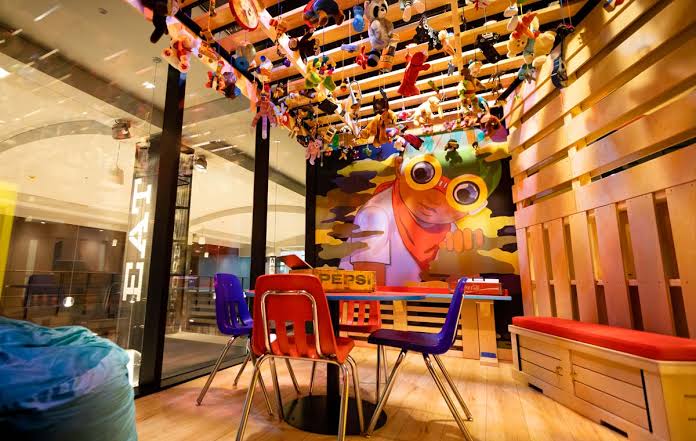
Discover how to design immersive and interactive experiential marketing events that engage audiences, foster authentic connections, and create lasting impressions. Learn strategies for crafting memorable brand experiences that resonate with consumers.
Crafting Experiences: The Art of Designing Engaging Marketing Events
In the dynamic world of marketing experiential marketing has emerged as a powerful strategy for brands. Unlike approaches that simply broadcast messages to audiences experiential marketing immerses customers in unforgettable experiences forging connections with the brand on an emotional level. These activations are carefully crafted to evoke feelings, generate excitement and leave lasting impressions. As consumers increasingly crave interactions brands must go beyond promoting products. They need to weave a narrative and provide opportunities for participants to engage with the brand deeply and meaningfully.
Creating effective experiential marketing campaigns requires a mix of creativity, strategic thinking and insight into the audience. The aim is to design events that not entertain but also resonate with the brands core values. This article delves into the aspects of experiential marketing design focusing on how to develop immersive events and activations that make a lasting impression.
Exploring the Impact of Marketing
Experiential marketing often known as engagement marketing or marketing focuses on establishing a connection, between a brand and consumers. Its goal is to go beyond traditional advertising and encourage involvement. These interactions can take forms like pop up shops, product sampling, interactive displays, live events or virtual experiences. What sets them apart is their ability to let consumers engage with a brand in a way.
The effectiveness of marketing lies in its capacity to evoke an response. Whether it's excitement, happiness, surprise or inspiration the emotions stirred up during the experience create a lasting impression associated with the brand. These positive feelings can nurture brand loyalty turning participants into brand advocates who share their experiences on media and with friends thereby expanding the brands reach.
Moreover experiential marketing offers brands a chance to craft a narrative that reflects their values and mission. Instead of solely focusing on selling a product this approach allows brands to convey their identity and how they connect with consumers lives.
Designing the Experience Key Elements
When it comes to designing experiential marketing initiatives it starts with understanding the audience. Knowing who the brand aims to connect with shapes every aspect of the design process. From choosing the venue and type of experience to crafting the messaging and tone. Insights about the audience, such as demographics, preferences and behaviors play a role in creating an experience that resonates deeply and leaves a lasting impact.
After identifying the audience the next step is to develop an experience that is immersive and captivating. Immersive experiences pull participants into a reality, making them feel like they are part of something extraordinary and memorable. This involves considering factors, like the setting, visuals, sounds and even scents to enhance the overall ambiance.
An important aspect of creating an immersive experience is the art of storytelling. The experience should weave a narrative that aligns with the brands message or mission. Whether through the design of the space, the activities offered or the interactions with staff the story should be engaging and impactful. For instance if a brand is introducing an eco friendly product it might craft an experience that immerses participants in a vibrant environment where they can explore sustainability and the products advantages hands on.
Another crucial design element is interactivity. Effective experiential marketing events motivate participants to connect with the brand in ways. This could involve testing a product out, taking part in a challenge or even collaborating with the brand on something. Interaction not enhances the experience. Also fosters a bond between participants and the brand. The more engaged they feel, the stronger their positive association with the brand is likely to be.
In the realm of marketing technology plays a role in enhancing the immersive quality of experiences. Virtual reality (VR), augmented reality (AR) and interactive digital displays enable brands to craft innovative encounters that spark the creativity of participants. These advanced tools can take users on journeys offer tailored interactions and present fresh opportunities to connect with a product or service.
Creating a Multi-Sensory Experience
An event that truly captivates its audience goes beyond appealing to just one sense. While visuals play a role in the overall impact incorporating a sensory experience can enhance engagement. When an event stimulates sight, sound, touch, taste and smell participants are more likely to remember it vividly.
For instance a food and beverage company might organize a pop up event where attendees can sample products, enjoy the aroma of fresh ingredients listen to curated music and interact with visually striking displays. Each aspect reinforces the message and adds layers, to the overall experience.
Similarly a luxury car manufacturer could offer test drives at an event while participants are surrounded by a showroom, the roar of engines and the luxurious touch of premium materials.
By appealing to senses brands can craft a memorable experience that resonates emotionally. This also increases the chances of participants sharing their experience, whether through word of mouth or on social media platforms.
Fostering Authentic Connections
A key objective of marketing is to establish genuine connections, between a brand and its audience. Authenticity plays a role, in building trust and nurturing lasting relationships. It's crucial for the experience to feel sincere and resonate with the brands identity. Consumers are perceptive and can quickly detect when a brand lacks authenticity or is overly attempting to ride a trend.
To craft an experience brands should prioritize offering value, to participants. This could involve providing education, entertainment or the chance to explore something new. The experience should also align with the brands values and mission. For example if a brand positions itself as environmentally friendly the experience should incorporate practices, like using materials or minimizing waste.
The way staff members interact with attendees plays a role, in promoting authenticity. The representatives showcasing the brand at the event should be knowledgeable friendly and passionate. Their impact on shaping the experience is significant and how they engage with participants can determine the events success. Well trained staff who can address questions, engage in conversations and share the brands narrative will contribute to leaving a positive and lasting impression.
Evaluating the Effectiveness of Marketing
Although experiential marketing captures attention. Its essential to assess its effectiveness to ensure it meets desired goals. The performance metrics (KPIs) for experiential marketing may vary based on the campaigns objectives but they often encompass measurements like brand visibility, social media interaction, lead generation and customer feedback.
Social media plays a role, in boosting the visibility of an experiential marketing event. When participants are encouraged to share their experiences online it can create excitement and reach a larger audience than the event itself. Brands can monitor mentions, hashtags and user generated content on media to assess how the experience resonated with attendees.
Additionally feedback and surveys after the event are useful tools for evaluating the effectiveness of the experience. By asking participants about their opinions, emotions and overall satisfaction brands can gain insights into what was successful and where enhancements can be made for future events.
Conclusion
When it comes to designing experiential marketing campaigns its important to strike a balance between creativity and strategy. By prioritizing the development of engaging, hands on and genuine experiences brands have the opportunity to captivate their audience in ways that traditional advertising falls short. The secret to achieving success lies in grasping the demographics story effectively and appealing to the senses to craft an unforgettable event. When executed effectively experiential marketing not leaves a mark. Also enhances the connection between the brand and its customers nurturing loyalty and support that can endure well after the event concludes.