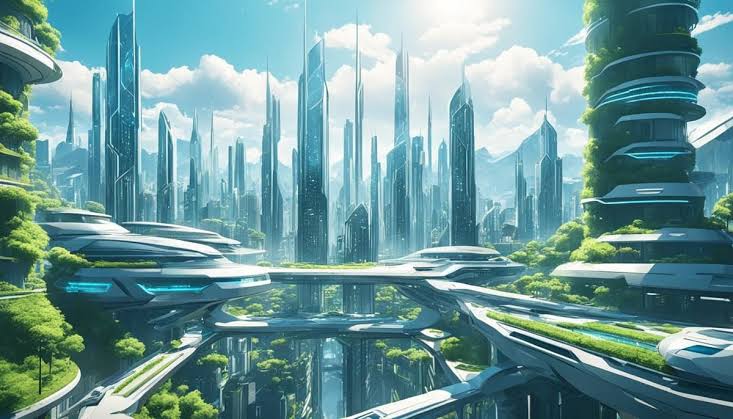
Explore how AI art is revolutionizing sustainable architecture by optimizing energy efficiency, reducing waste, and integrating biophilic design, while addressing the challenges and ethical considerations of this emerging technology.
AI Art in Architecture: Designing Sustainable Buildings
The intersection of artificial intelligence (AI) and architecture is revolutionizing the way buildings are designed and constructed. As the world increasingly focuses on sustainability, architects and designers are turning to AI to create innovative, eco-friendly solutions that meet the needs of both people and the planet. AI art, in particular, is playing a significant role in the development of sustainable architecture, offering new possibilities for creativity, efficiency, and environmental stewardship. This article explores how AI art is influencing architectural design, the benefits it brings to sustainable building practices, and the challenges that lie ahead.
The Emergence of AI Art in Architecture
AI art refers to the use of artificial intelligence algorithms to generate, modify, or enhance artistic content. In the context of architecture, AI art involves the application of these algorithms to the design process, enabling architects to explore new forms, patterns, and materials that were previously unimaginable. The emergence of AI art in architecture has opened up a world of possibilities, allowing for the creation of complex, dynamic designs that push the boundaries of traditional architectural practices.
One of the key ways AI art is being used in architecture is through generative design. Generative design is a process in which AI algorithms generate a wide range of design options based on specific parameters set by the architect. These parameters can include factors such as material usage, energy efficiency, and spatial constraints. By exploring a vast number of design possibilities, architects can identify the most sustainable and efficient options for a given project. This approach not only saves time but also ensures that the final design is optimized for both functionality and environmental impact.
Enhancing Sustainability through AI Art
The integration of AI art into architectural design is particularly valuable for promoting sustainability. Sustainable architecture seeks to minimize the environmental impact of buildings by focusing on energy efficiency, resource conservation, and the use of renewable materials. AI art contributes to these goals by enabling architects to create designs that are not only aesthetically pleasing but also environmentally responsible.
One of the primary benefits of AI art in sustainable architecture is its ability to optimize energy efficiency. AI algorithms can analyze vast amounts of data related to a building's location, climate, and usage patterns to determine the most efficient design strategies. For example, AI can help architects design buildings that maximize natural light and ventilation, reducing the need for artificial lighting and HVAC systems. Additionally, AI can assist in the selection of materials that have lower environmental impacts, such as those with high thermal insulation properties or those that are locally sourced and renewable.
AI art also allows for the exploration of innovative construction techniques that reduce waste and improve resource efficiency. For instance, AI-generated designs can incorporate modular construction methods, where components are prefabricated off-site and assembled on-site. This approach minimizes material waste and reduces the carbon footprint associated with transportation and construction activities. Furthermore, AI can aid in the development of adaptive reuse projects, where existing structures are repurposed and transformed into new, sustainable buildings. By preserving the embodied energy of existing structures, adaptive reuse reduces the need for new construction and conserves valuable resources.
AI Art and Biophilic Design
Another exciting area where AI art is making a significant impact is in the realm of biophilic design. Biophilic design is an approach to architecture that seeks to connect people with nature by incorporating natural elements into the built environment. Research has shown that biophilic design can enhance well-being, reduce stress, and improve cognitive function, making it an important consideration for sustainable architecture.
AI art can be used to create designs that mimic natural patterns and forms, such as the fractal patterns found in leaves or the undulating shapes of sand dunes. By integrating these biomimetic elements into architectural designs, AI can help create spaces that promote a sense of harmony with nature. Additionally, AI can assist in the design of green roofs, vertical gardens, and other vegetative systems that improve air quality, reduce the urban heat island effect, and support biodiversity. These features not only contribute to the sustainability of the building but also enhance the overall quality of life for its occupants.
Challenges and Considerations
While the potential of AI art in sustainable architecture is immense, there are also challenges that must be addressed. One of the primary concerns is the ethical implications of using AI in design. As AI-generated designs become more prevalent, questions arise regarding authorship and the role of the architect in the creative process. It is essential to ensure that AI is used as a tool to enhance human creativity rather than replace it.
Another challenge is the need for transparency and accountability in AI-generated designs. AI algorithms are often seen as black boxes, where the decision-making process is not fully understood. In the context of architecture, this lack of transparency can lead to concerns about the safety, reliability, and environmental impact of AI-generated designs. To address this, architects and developers must work to ensure that AI algorithms are transparent, interpretable, and aligned with sustainability goals.
Finally, there is the challenge of accessibility. While AI art offers numerous benefits for sustainable architecture, it is essential to ensure that these technologies are accessible to all architects and designers, regardless of their resources or technical expertise. This requires investment in education and training, as well as the development of user-friendly AI tools that can be easily integrated into the design process.
Conclusion
AI art is transforming the field of architecture by enabling the creation of sustainable, innovative designs that push the boundaries of traditional practices. By optimizing energy efficiency, reducing waste, and promoting biophilic design, AI art is helping architects create buildings that are not only visually stunning but also environmentally responsible. However, as with any emerging technology, it is crucial to address the challenges associated with AI art, including ethical considerations, transparency, and accessibility. By doing so, the architecture community can fully harness the potential of AI art to design a more sustainable and harmonious built environment.